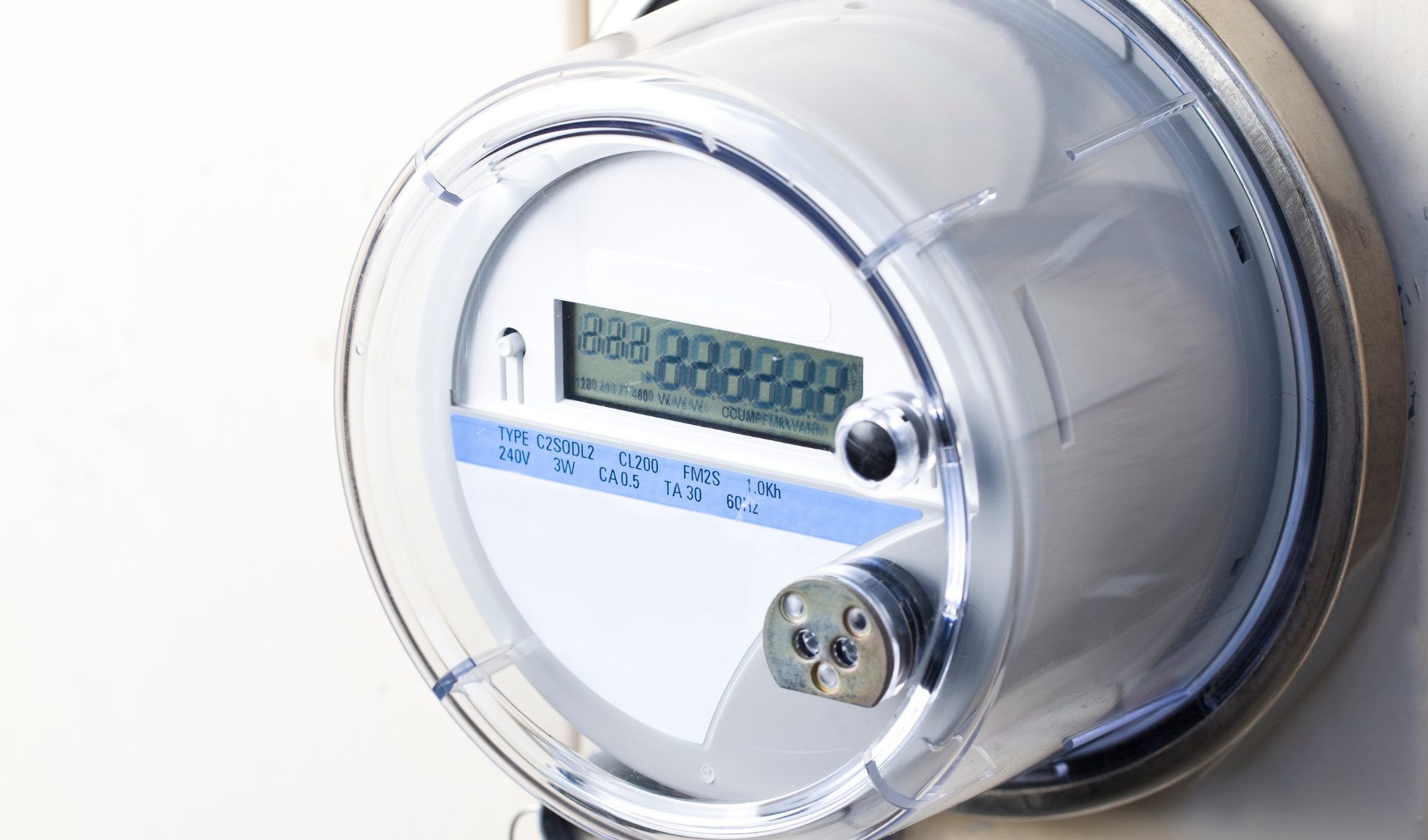
Recent reports that pubs and other businesses could effectively be pushed towards smart meters have understandably attracted some strong headlines.
The suggestion is that businesses without a smart meter could find themselves unable to access certain fixed energy contracts in the future.
At first glance, it’s easy to see why this might feel like coercion. Businesses generally don’t like being told what they have to do — particularly when they are already dealing with rising costs and an ever-growing list of things demanding their attention.
But putting the politics to one side, is there another side to this conversation?
As a business energy broker, we spend a lot of time looking at how businesses buy and use their energy. And from that perspective, greater adoption of smart meters could ultimately be a positive thing for businesses.
Better data means better decisions
One of the biggest advantages of smart metering is relatively simple: better information.
Traditional meter readings can leave businesses relying on estimates, infrequent readings or bills that don’t necessarily give them a clear picture of when and how they’re consuming energy.
Smart meters can provide much more accurate consumption data.
And when you’re trying to manage costs, accuracy matters.
If you can see when you’re using energy, identify unusual consumption and understand your actual requirements, you are in a much stronger position to make informed decisions about your energy.
It can make buying energy easier too
There is another benefit that doesn’t always make the headlines.
Good consumption data can help when it comes to the procurement process.
The clearer the picture of a business’s energy use, the easier it can be to understand its requirements and assess the options available in the market.
For brokers like us, better data means we can have better conversations with clients.
Rather than simply talking about the unit rate on a contract, we can start looking at the bigger picture: when energy is being used, whether consumption patterns are changing and where there may be opportunities to reduce unnecessary usage.
That’s potentially far more valuable than simply chasing the cheapest headline rate.
Smart meters aren’t going to magically reduce your energy bill
It’s important to be realistic.
Installing a smart meter doesn’t automatically mean a business will use less energy, and it certainly doesn’t guarantee lower bills.
A smart meter gives you information. What you do with that information is what matters.
A pub could discover equipment is consuming far more energy overnight than expected. A restaurant might identify an unexpected spike in consumption. An office could discover its baseload is considerably higher than it thought.
Those insights create an opportunity to investigate and potentially take action.
Without the data, you may never know there is an issue in the first place.
From obligation to opportunity
We understand why businesses might be uncomfortable with the idea that access to certain energy products could eventually depend on having a smart meter.
Nobody likes feeling that a decision is being made for them.
But there is a danger that the debate around whether businesses are being “forced” to have smart meters overshadows a more useful question:
How can businesses make the most of them?
If smart metering becomes increasingly commonplace across the business energy market, then perhaps the best approach isn’t simply to view it as another box that needs ticking.
Used properly, the data could help businesses understand their consumption, identify waste, make better procurement decisions and ultimately take greater control of their energy costs.
And after the volatility we’ve seen in the energy market over recent years, having more information and more control isn’t necessarily a bad thing.
For us, that’s where the real opportunity lies.
The smart meter itself isn’t the solution.
It’s what businesses do with the information it provides that could make the difference.
Get in touch to find out how we can help support the transition to smart meters and what to do with the data it collects.
Speak To Our Experts