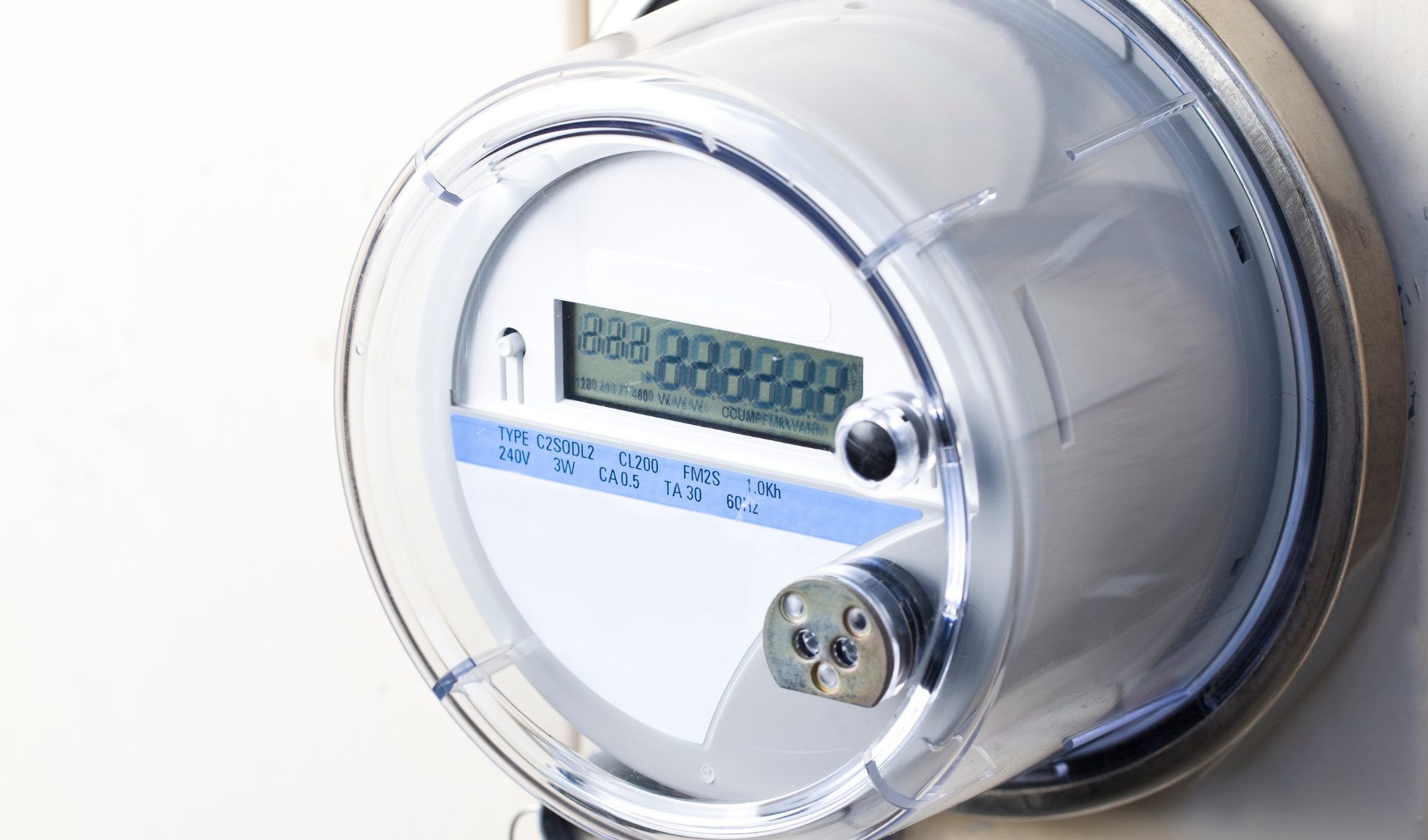
The UK electricity market is undergoing one of its biggest changes in decades. Market-Wide Half-Hourly Settlement (MHHS) will transform how businesses are billed for electricity — moving from estimated or averaged usage to precise half-hourly measurement.
But what does this actually mean for your organisation? And why has your MPAN top line changed? We’re going to break it down for you in simple terms. So let’s get into it!
What is MHHS (Market-Wide Half-Hourly Settlement)?
MHHS is a new industry-wide approach that settles electricity consumption every half hour, instead of relying on monthly totals or estimated readings. Businesses will be billed for exactly when and how much electricity they use — in 30-minute intervals.
In simple terms: This change applies across Great Britain and instead of guessing how much electricity you used over a month, the system now checks every 30 minutes and charges you based on that. Think of it like switching from an estimated restaurant bill to paying for exactly what you ordered, item by item.
Why is MHHS being introduced?
The electricity system has changed dramatically. There is now far more renewable energy on the grid, and electricity prices can rise and fall throughout the day. MHHS is designed to:
- Improve billing accuracy.
- Increase transparency.
- Reflect the true cost of energy at the time it is used.
- Support a more flexible, low-carbon system.
Suppliers will buy electricity in line with actual customer demand, helping balance the grid more efficiently.
In simple terms: Electricity is not the same price all day long anymore. So the system needs to match what you use with what it actually costs at that moment — not what it costs on average.
It’s about fairness and accuracy.
How does MHHS affect business energy billing?
Under MHHS, your business will be billed using real half-hourly consumption data rather than averaged usage profiles.
This means:
- Peak usage periods will be clearly visible.
- Costs will reflect time-of-use pricing.
- High-demand half-hours could cost more.
- Energy management becomes more important.
For businesses with sharp peaks in demand, this may change cost structures. For others, it creates opportunities to optimise usage.
In simple terms: If you use a lot of electricity at expensive times of the day, you’ll see that cost more clearly. If you can move some usage to cheaper times, you can save money.
Your bill will reflect your habits more accurately.
What opportunities does MHHS create?
While MHHS is a regulatory change, it’s also a strategic opportunity. Half-hourly data reveals patterns that were previously hidden. Businesses can:
- Shift usage to cheaper periods.
- Reduce peak demand charges.
- Improve operational efficiency.
- Strengthen ESG reporting.
- Make smarter procurement decisions.
Energy becomes something you actively manage, not just a fixed overhead.
In simple terms: You get much better detail about when you’re using electricity.
With that information, you can:
- Avoid the most expensive times.
- Smooth out big spikes.
- Run equipment smarter.
- Potentially cut costs.
It’s like seeing your bank statement in detail instead of just once a month.
Why Has the MPAN Top Line Changed?
As part of MHHS preparations, from 22 September the top line of the Meter Point Administration Number (MPAN) has been updated.
The MPAN (also called the Supply Number or S-Number) is the unique reference used in Great Britain to identify electricity supply points. It appears on invoices and quotations. The top line has changed from 21 digits to 22 digits.
Previously, it included:
- Profile Class
- Meter Time Switch Code (MTC)
- Line Loss Factor (LLF)
Under MHHS:
- MTC is replaced by the Standard Settlement Configuration (SSC).
- LLF is renamed as the DUoS Tariff ID.
In simple terms: The long number on your electricity bill has been slightly rearranged.
It’s still your supply number — it just now uses new labels to match the new settlement system.
Nothing about your physical supply has changed.
What is an SSC?
The Standard Settlement Configuration (SSC) is a four-digit code that defines how a non-half-hourly meter is set up for settlement. It identifies:
- How many registers the meter has.
- When each register records electricity usage.
For half-hourly meters (Profile Class 0), the SSC will show as ‘0000’. When a smart meter moves fully into MHHS, the SSC will appear as ‘0000’ and the Profile Class will show as ‘00’. After full migration, Profile Classes will be removed except for Classes 02 and 04, which identify Economy 7 and Economy 10 meters.
In simple terms: The SSC is just a code that explains how your meter works.
If you already have a half-hourly or smart meter, it will mostly show as “0000”.
It’s simply an internal classification for the new system.
What Does This Change Mean in Practice?
The MPAN adjustment is a technical step to allow full half-hourly settlement.
For most businesses, this change:
- Will not interrupt supply.
- Does not require urgent action.
- Simply reflects updated settlement rules.
It’s a structural update ahead of MHHS going live.
In simple terms: You don’t need to panic. Your lights will stay on. Your contract hasn’t suddenly changed. It’s mainly a back-office update to prepare the system.
How Should Businesses Prepare For MMHS?
Preparation ensures you avoid risk and unlock value from the change.
Businesses should:
Understand Half-Hourly Usage
Review interval data to identify peaks and inefficiencies.
Look at when you use the most electricity — and ask if you can move or reduce it.
Review Metering Infrastructure
Ensure meters can send reliable half-hourly data.
Make sure your meter actually works properly and communicates readings.
Audit MPAN Data
Confirm MPANs match the correct meters and configurations.
Check your supply numbers and meters line up correctly in the system.
Identify Non-Compliant Meters
Prioritise upgrades where meters cannot provide half-hourly data.
If a meter can’t support the new system, fix or replace it early.
Strengthen Installation Quality
Ensure new installations meet half-hourly readiness standards (e.g., SMETS2 or AMR with communications).
If you’re installing new meters, make sure they’re future-proof.
Review Tariffs and Contracts
Ensure pricing structures reflect MHHS settlement. Check your contract so you’re not exposed to expensive peak times without knowing it.
Turning Regulatory Change into Commercial Advantage
MHHS is not just compliance — it’s a move toward smarter energy management.
With the right data and strategy, businesses can: reduce cost volatility, improve operational efficiency, enhance sustainability performance, and gain better financial control. The change to your MPAN top line is a small sign of a much bigger market transformation.
In simple terms: This isn’t just red tape. If you pay attention and plan properly, you could: save money, avoid nasty billing surprises and run your business more efficiently. The businesses that prepare early won’t just stay compliant — they’ll come out ahead.
Want to learn more? If you have any energy-related questions, our team is here to help. Get in touch today and we’ll explain everything in clear, simple terms.
Utility Stream, experts in simplifying business energy.